
Intravenous (IV) and Intramuscular (IM) Ketamine therapy are both off-label treatment options used for certain mental health conditions and chronic pain.
It has been studied for conditions such as depression, anxiety-related disorders, PTSD, OCD, and chronic pain syndromes, particularly in patients who have not responded to traditional treatments.
Clinical studies have demonstrated rapid symptom improvement in some patients, often within days.
How it works
Ketamine acts on glutamate pathways in the brain and nervous system, a mechanism distinct from both traditional antidepressants and most pain medications.
For mental health conditions, this pathway is thought to influence neural connectivity and signaling involved in mood regulation.
For chronic pain, ketamine works differently from opioids and other common pain medications. Rather than masking pain signals, it is believed to modulate pain pathways and central sensitization, which may help reduce pain intensity in certain conditions.
Because this mechanism differs from standard treatments, IV ketamine may be an option for patients who have not improved with conventional therapies.
What treatment looks like
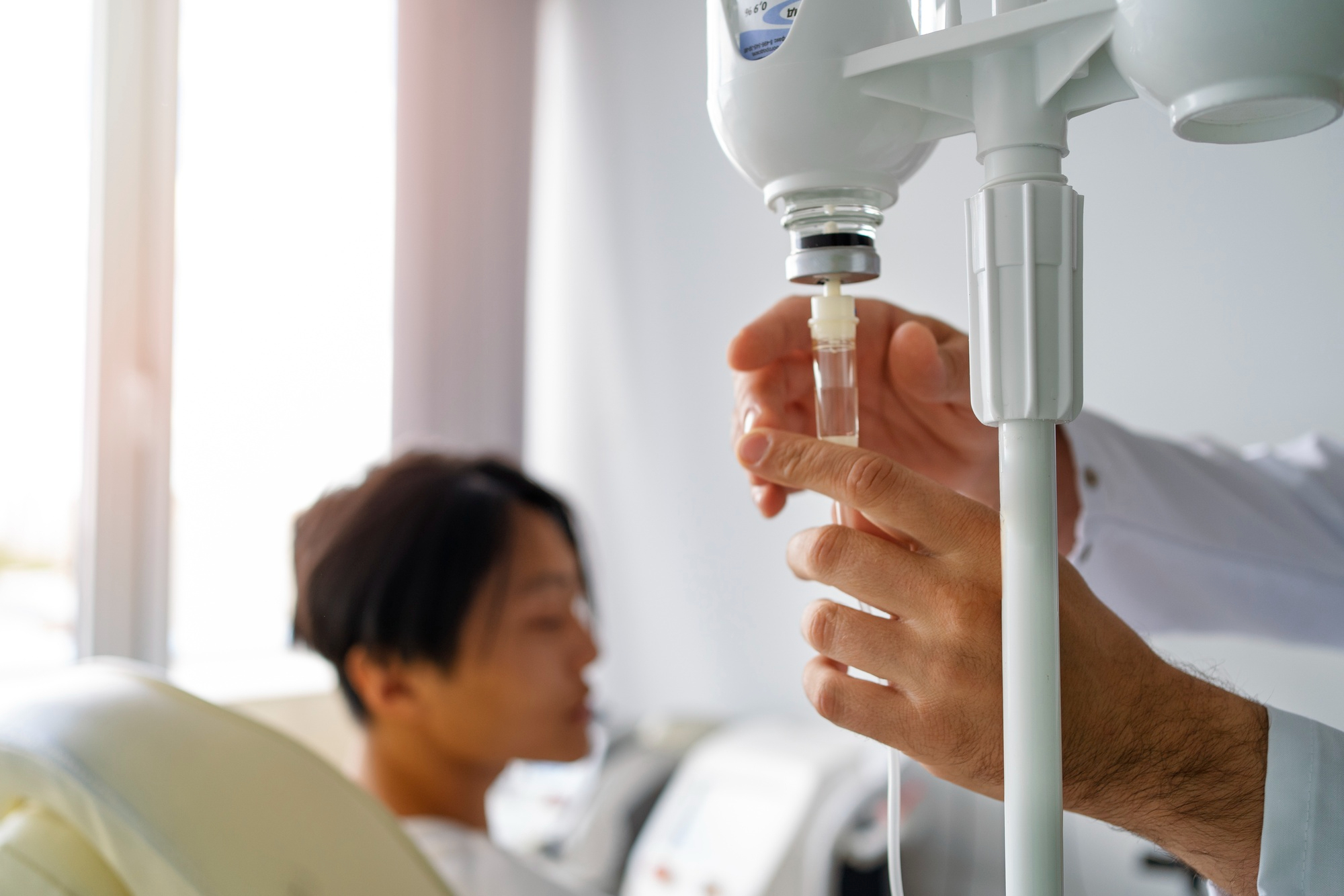
Intravenous (IV) ketamine is typically administered through a small intravenous catheter in a quiet, private treatment room, allowing for continuous monitoring and precise dosing throughout the session.
Intramuscular (IM) ketamine is typically administered via a single injection into a muscle and does not require IV placement. This approach may be appropriate for patients who prefer to avoid intravenous access and is typically shorter in duration. IM treatment may be offered at a lower cost.
Treatment often typically involves a structured series of infusions over several weeks, followed by individualized maintenance planning based on response, goals, and clinical judgment.
Sessions are typically conducted at a controlled pace and include time for recovery before discharge.

Safety and oversight
Sessions are designed to be overseen with careful preparation, structured safety protocols, and experienced clinical oversight.
- Monitoring occurs before each treatment.
- During infusion.
- And throughout the recovery period.
IV ketamine therapy is anticipated to be offered on a self-pay basis. We coordinate care with referring clinicians when appropriate and emphasize clear communication and follow-up planning.
Transportation home is required following treatment.